
Alcohol
WTF even is it?!

Welcome to the final Installment, part IV, of a four part series on macronutrients. We covered protein, fat, and carbohydrate so far. That should be it for the macros, yeah? Technically, yes. But there’s one more item that requires discussion if we want to leave no stone unturned. You read the title. It’s alcohol. While alcohol isn’t technically a macronutrient, it functions as one1. See, alcohol has a unique chemical make-up that gives it about 7 calories per gram, which contrasts with the protein and carbs at 4 calories per gram and fat sits above all of them with 9 calories per gram. As a culture, we Americans have comfortably nestled alcohol consumption in the bosom of most of our social interactions- from dinners out, to parties, to bars, meeting after work for drinks, weddings, funerals, you name it, we’re drinking. Let’s have some real alcohol talk then. Here we go…
“I feel sorry for people that don't drink because when they wake up in the morning, that is the best they're going to feel all day.”-Frank Sinatra
Part IV- Alcohol
What is alcohol?
The chemical structure of alcohol, aka ethanol, aka drinking alcohol, is represented as CH3CH2OH which features a carbon chain with two carbon atoms, five hydrogen atoms, and one hydroxyl group (-OH) attached to one of the carbon atoms. The formula for alcohols is ROH, where "R" represents an alkyl group (a chain of carbon and hydrogen atoms). While the structure isn’t totally dissimilar to carbohydrates and fat in that they are all organic compounds containing carbon, hydrogen, and oxygen, functionally they behave quite differently.
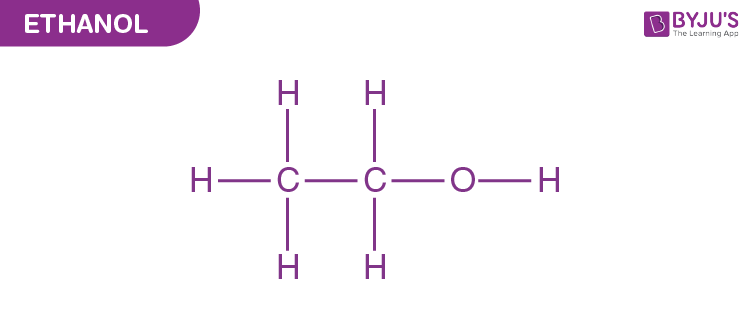
The scope of this article deals with alcohol itself- not the passengers that come with a lot of alcoholic drinks-that is to say, beer, wine, and all the delicious mixers that make your cocktails contain a lot of carbohydrates in addition to alcohol. The body deals with those carbs the same way it deals with all the others ingested through other sources. Alcohol gets metabolized via its own specific pathways.
Alcohol absorption actually begins in the mouth due to its relatively small molecular size. It can cross the mucosal lining in both the stomach and the mouth. Most of the absorption occurs in the small intestines, however. From the small intestines, alcohol enters the blood stream where it gets shuttled to the liver via the portal vein. The liver is where the real action takes place2!
Once in the liver, specific enzymes get to work. The main one is called Alcohol Dehydrogenase (ADH)3. ADH breaks down alcohol into acetaldehyde, which is toxic. The body needs to deal with that special poison pretty quickly so another similar enzyme to ADH, called Aldehyde Dehydrogenase (ALDH) converts what remains into Acetate. Once in a nontoxic, stable state, the body converts acetate into water and CO2 then eliminates those through urine, sweat, and breath.
Why do I care?
“The only thing I like more than drinking is not drinking.”- Mark W Lynn4
Alcohol has been consumed for almost as long as humans have been civilized. There are archaeological records from China dating back to 7000 BC showing the consumption of rice wine. Alcohol is featured in most human events, whether they are happy, sad, religious, or otherwise. It’s safe to say that alcohol is fairly culturally ubiquitous. Recently, though, alcohol has come under attack from the medical and health and wellness communities. Are the attacks warranted? Is alcohol as harmless as we once thought? Is abstaining completely necessary? What is moderation? Isn’t some alcohol considered healthy and beneficial?
Here’s the problem with alcohol: it’s insidious. When we drink, we get a hit of a serotonin and dopamine. That’s why it’s so pleasant initially. It gets a bit tricky from there, however. Those feelings of satisfaction and slight euphoria dissipate fairly quickly as those neurotransmitters are uptook. So the body has to produce more. Then more. Then more again as one continues to drink. Over time serotonin and dopamine get depleted leading to acute or chronic feelings of anxiety and depression depending on the level of depletion. To make matters worse, much of serotonin’s and dopamine’s production occurs in the gut by the gut biome. Alcohol decimates that too compounding the problem. If you’ve ever had a rager of a weekend and you find yourself still feeling inexplicably low come Wednesday, this is likely why. It takes a while after drinking for the body to replenish its neurotransmitter stores.
Here’s another problem. Alcohol is poisonous. Remember that stuff acetaldehyde? That byproduct of alcohol metabolism? Yeah, it’s a known carcinogen. In fact, one of the final acts of the last presidential administration was for the Surgeon General, Vivek Murthy, to call for cancer warnings to be added to the packaging of alcoholic beverages in the same way they were added to tobacco products previously. Alcohol has been associated with at least six types of cancer (Northwestern Med).
Ready for more? Let’s have a casual chat about alcohol and the liver. The first thing that usually happens to the liver as a result of over consuming alcohol is what’s known as Alcohol-related Liver Disease (ALD). How long it takes for ALD to develop varies person to person. It usually takes several years but it can come on much quicker depending on the frequency and quantity of drinking. It’s usually asymptomatic in the early stages. If unchecked, the next phase is liver fibrosis. That results from actual scarring of the liver from overworking it. Finally, we get to cirrhosis, which is largely irreversible. Cirrhosis is characterized by the death of liver cells called hepatocytes. There’s not much to do once one reaches severe cirrhosis. Unfortunately, over time, cirrhosis will likely be fatal. Then there’s the higher likelihood of getting liver cancer as well.
Thought we were done? Want to know how alcohol affects the ol’ ticker?Here’s a quick list:
-cardiomyopathy
-arrhythmias
-hypertension
-increased stroke risk
While these cardiac maladies are not certain to occur, they’re not unlikely through chronic alcohol abuse. It appears there’s no positive outcome from drinking alcohol apart from the initial enjoyable sensations associated with it. Let’s keep going.
Ever have a hangover turn into actually getting sick? That’s because alcohol is known to damage the immune system. Inflammation is a necessary process the body gets involved with. Chronic inflammation, however, is not good. Alcohol consumption increases the production of inflammatory cytokines which can damage tissues associated with the immune system making drinkers more susceptible to infections. Alcohol also impairs white blood cell function. Finally, alcohol limits the production of antibodies, which exposes us to risk of being infected by pathogens.
Almost out of the woods! Where would this article be without mention of those pesky hormones. Yep! Alcohol is going after those too. It appears that alcohol affects the production of thyroid hormones, testosterone and estrogen, and insulin. To add gasoline to that fire, alcohol also appears to raise cortisol production resulting in feelings of stress, poor sleep, and weight gain.
Phew! That was rough. But is that an exhaustive accounting of all the ways alcohol negatively affects us humans? Not quite…
As mentioned, alcohol is poison. Because of this, our bodies desperately want to deal with it. The desperation is so acute that it becomes priority number 1, with a bullet, to get it processed and out of the body asap. In fact, most other processes get put on the back burner. The food you ate while drinking is getting stored as fat. Also remember that alcohol has 7 calories per gram. It’s incredibly hard to maintain weight or lose weight while drinking heavily.
That should do it for the major issues associated with drinking alcohol beyond moderation. There are more downstream problems with the over-consumption of alcohol, but for brevity’s sake, we’ll just stick with the glaring issues.
Alcohol Sources
It would be silly to list a bunch of booze. You all know what you like and dislike. Let me say this: some alcohol sources come with passengers. Others don’t. For instance, wine has quite a bit of carbohydrate in the form of sugars that add to its calorie count. The same goes for beers, ciders, and a host of mixers. Straight alcohols like whiskey, vodka, gin, rum, tequila, etc, don’t have carbs in them, but this leads to their very fast absorption. What’s important to know is that all alcohol, no matter the type or source, is going to be treated the same way inside the body.
How much do I need?
None. Zip. Zilch. The empty set.
Alcohol is considered void of nutrition, which is why it’s not technically a macronutrient. Furthermore, the latest research suggests that there is no healthy amount of alcohol that can be consumed. It was thought, until recently, that there were some geroprotective5 qualities of alcohol, possibly contributed by some antioxidants. Unfortunately those studies were confounded by further meta-analyses. It appears that the studies may have been flawed because many drinkers who identified as abstainers were not lifetime non drinkers and abstained due to former alcohol abuse. Furthermore, people who identified as light drinkers may have had over-all healthier lifestyles across the board. That led to the false conclusion that the modest alcohol consumption was the reason for the light drinkers’ longevity. This is to say, there is no identifiable mechanism associated with alcohol consumption that leads to a net positive health outcome. Bummer.
Conclusion
Wild ride, right? It looks like alcohol is not doing anyone any favors from a health and wellness perspective. It’s true. It’s not. But does that mean total abstinence is the only option? Not necessarily. The human body is a remarkably resilient, hedonic, adaptive, awe inspiring beast! Maybe the most impressively resilient part of the human body is the liver. Up to 90% of the liver is able to be regenerated, making it the only human organ capable of such a feat. This is great news for folks who tend to over-consume alcohol. Provided no permanent damage has been done, there’s no reason quitting or cutting back on alcohol won’t reverse the ill effects of drinking. If you are someone who has a few drinks every now and again, you should be fine. The guidelines are as follows: The Dietary Guidelines for Americans recommend that men drink two drinks or fewer per day, and women drink one drink or fewer per day (NIH). The recommendations are general and they differ due to average body sizes; men are usually bigger than women.
Like all things related to nutrition: be mindful. Pay attention to the things you put in your body. Can you occasionally indulge? Absolutely! Just don’t do it thoughtlessly or habitually. As you would with ice cream, or any other junk food, practice drinking in moderation. And don’t pretend that drinking alcohol is in any way good for you.
Protein, fat, carbohydrates, and alcohol are the four main types of substances that we consume that have calories. The reason alcohol isn’t considered a macronutrient is because it provides no valuable essential nutrition and is not necessary for any human functions. To be clear, there are alcohol sources that do contain other macronutrients, such as beer and wine, which both have carbs and nominal amounts of protein. We’re talking about pure alcohol, like hard liquors and such.
There is a what’s called ‘first pass’ alcohol metabolism that occurs in the stomach before alcohol hits the liver. It’s pretty minimal in terms of enzymatic action so the metabolic heavy lifting is left to the liver.
This stuff is cool. Not only does it begin processing alcohol we drink, it does the same for naturally occurring, long chain alcohols associated with pheromone production as well as metabolizing various neurotransmitters.
Yes, I just quoted myself. When you get a blog you can quote yourself too.
Geroprotective refers to any agent that may slow down thew process of physical aging.
I didn't know alcohol was also carcinogenic. This article was an eye-opener. Thanks, Mark!
Love this one!